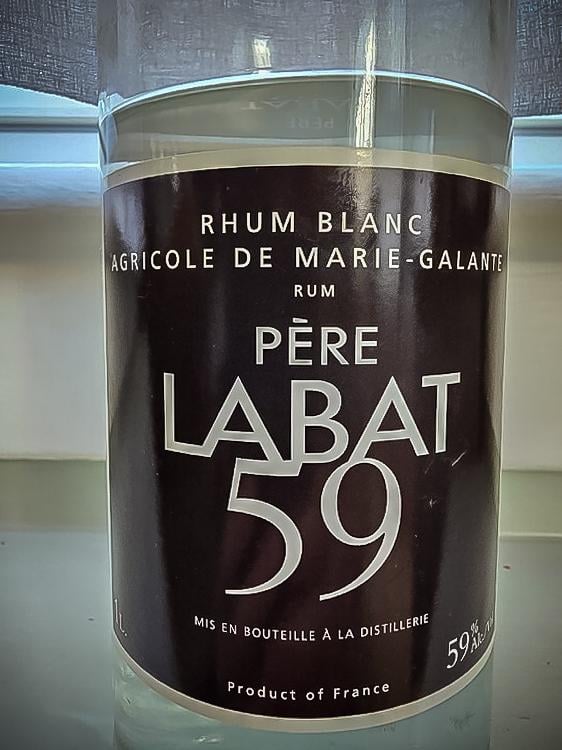
Père Labat 59

#148 Père Labat 59

5.5

I feel like whenever agricole comes up, people bring up Pere Labat 59 as one of the gold standards of high quality but affordable agricole. So, it was only a matter of time before I tried it. Père Labat is named after Jean-Baptiste Labat, a Dominican missionary to the French Caribbean. He had a copper cognac pot still shipped in from France and modified it for rum production, and the rum is currently made from 4 varieties of heirloom sugarcane. Review Smell I had HSE Blanc 40% on hand, and Pere Labat 59 very much smells like a Martinique agricole: brine and grass. However, as I mentioned in my Clairin Communal review, Pere Labat also smells exactly like a homebrew infected with Brettanomyces. It's hard to describe but it's so distinctly like a Brett infection. Barnyard, leathery, sour yeasty... not quite spoiled, but very funky. Taste It's not bad. Very grassy, a touch briny, but not fruity like a clairin at all. It's just good, light, crisp, agricole flavor. There's also a flavor that I'm struggling to pin down. It tastes like a vinegary citrus, mixed with grape soda. Not like actual grapes, but that specific chemical that they use to make grape-flavored candy and drinks. The Brett character comes through boldly, but more specifically, bitter, dry, sour brined pickles, grass, leather, barnyard funk. It has quite a long finish, and pleasant at that. Side by side with HSE blanc, HSE is just more bitter, less complex, has a shorter finish, and is just less interesting. I don't know if I'd ever actually choose HSE, but I can see myself vibing with Pere Labat. In a daiquiri, it's honestly not my favorite. The agricole flavor is aggressive and makes a really grassy, briny, Brett-forward daiquiri, which is essentially what I don't like about a lot of agricoles in general. It works better than HSE in a daiquiri, but I still don't prefer it. Verdict {rating}/10 Like Fortaleza tequila, this rum is a case where I can clearly recognize quality and craftsmanship while not strongly enjoying the liquid. It still has a very good complexity that shines right through the juice and syrup. It's just that the brine, the grass, and the funk are quite challenging flavor notes for me. If you enjoy that sort of rum, it may be excellent, but for me, it's a 5.5/10.
Distillerie Poisson, Marie-Galante, Guadeloupe
Spirit of Haiti Clairin Communal

#147 Spirit of Haiti Clairin Communal

7.5

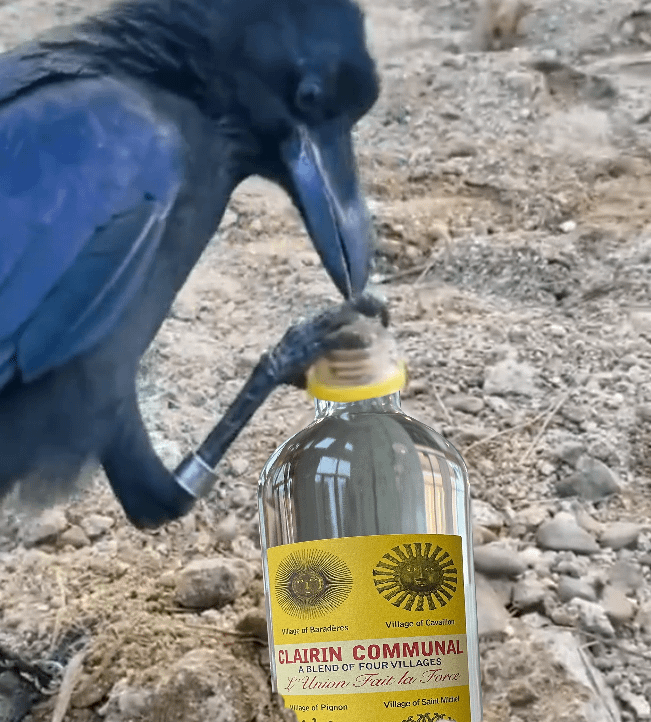
Of the clairins from Spirit of Haiti, I have only had Sajous and Le Rocher before this. I know there's more, but with how much rum I have in my closet, I am not exactly looking for more bottles. I also didn't really know what the names mean; I only later realized that Sajous is the name of the distiller (Michel Sajous) and Le Rocher is named after the fact that the distillery is on a big rock. I figured Communal is just another name, but it turns out that it's because it's actually the first four clairins (Sajous, Vaval, Casimir, and Le Rocher) all blended together. It's also lower in proof than the rest, at 43%. Review For this review, I compared it to the two other clairins I have, plus Pere Labat 59, since it's a related agricole. Smell As I've reviewed before, Le Rocher smells a bit like a sharpie with smoky rib rub and a touch of Worthy Park industrial funk. Sajous is a lot closer to a classic agricole with grassy brine with just a touch of citrus. I don't know what Casimir and Vaval smell like, but already Communal is between the two that I've had, where it has a bit of pickly brine scent, and a bit of the overripe banana of Jamaican funk. Pere Labat is kind of like a classic agricole, with grassy briny notes, but has the unmistakable smell of a Brett infection. I remember it from my days of homebrewing. It's a very specific sour, funky stank that is almost impossible to describe. It's like leather and barnyard. Taste Le rocher is very smoky, plasticky, and maybe slightly fruity, with a nice long finish, while Sajous just tastes like a typical agricole, with a dry, savory brine that reminds me a bit of HSE blanc. Communal is, again, an experience in between, with a bit of fruitiness, a bit of pickled olive flavor, and it comes off as a bit less dry. It actually reminds me of a sweet red bell pepper. Pere Labat is more similar to Sajous, with a dry, bitter, grassy pickle note, very complex in flavor, but I can't help but pick up the funk of Brett. In a daiquiri, Communal is light, balanced, and enjoyable. It's not plasticky or off, but I just wish it packed more of a punch. It's certainly the least controversial daiquiri of the bunch. Verdict {rating}/10 I think of clairin Communal is a nice, inoffensive introduction to the Spirit of Haiti. Perhaps it's the Planteray Xaymaca of clairins. It doesn't have the bold, challenging flavor of any one of them that makes them stand out. It's just an average of all 4, and on average, they're all fantastic. I just wish it wasn't watered down as much as it is, but as it stands, it's like a more concentrated Copalli white. I like this as an approachable representation of what high quality clairins are as a category. 7.5/10

various, Haiti
Spirit of Haiti Clairin Le Rocher

#146 Spirit of Haiti Clairin Le Rocher

8

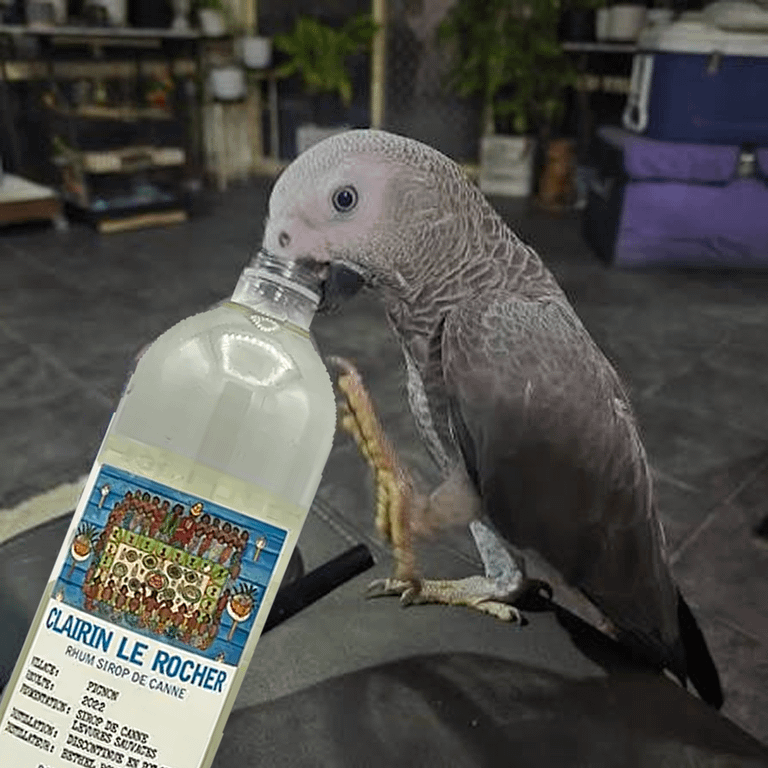
There are tons of tiny distilleries all around Haiti, and their popularization is largely due to Luca Gargano, head of Habitation Velier, who released the Spirit of Haiti series, with Le Rocher being the fourth clairin in the series. The distillery is very rudimentary, with the fermentation featuring dunder and wild yeast, and the distillation is done in pot stills fueled by waste bagasse Review Smell It's grassy and spicy in a way that's sort of unusual for a clairin. It's like an agricole spiced with a rib rub. Brown sugar, chipotle peppers, cumin, smoked salt, and sharpie. Very earthy and a mix of sweet and savory. Taste It tastes much like it smells: smoky, grassy, and slightly bitter. There's a sweet, savory, smoky pepperiness which is not fruity, like the bright and fruity flavor of some other clairins. It is instead more like savory stewed prunes and pears, with a slight industrial flavor that reminds me of the grunge in Worthy Park funk. It's like a stew with vegetables, a few dark fruits, and a lot of seasoning. The finish is long with watermelon and green apple. It's pretty different from Le Rocher, which is basically what I expected from a clairin: a little bit of agricole grassiness, a little bit of fruity flavor, and a lot of complexity. Le Rocher is fantastic in a daiquiri. It's almost like a smoked daiquiri, and balanced nicely between sweet, sour, and smoky barbecue notes that feel like they shouldn't work together, but they do. This daiquiri reminds me of my grandma's kompot, which she often makes from smoke-dried apricots. Verdict {rating}/10 I think Le Rocher is quite different from, but equally as complex as Sajous. The flavor profile is not outright my favorite, as is the case with Jamaican funk, but it makes me keep coming back and pondering. I love a rum that makes me think, and keep coming back for another sip. 8/10

Distillerie Bethel Romelus, Pignon, Haiti
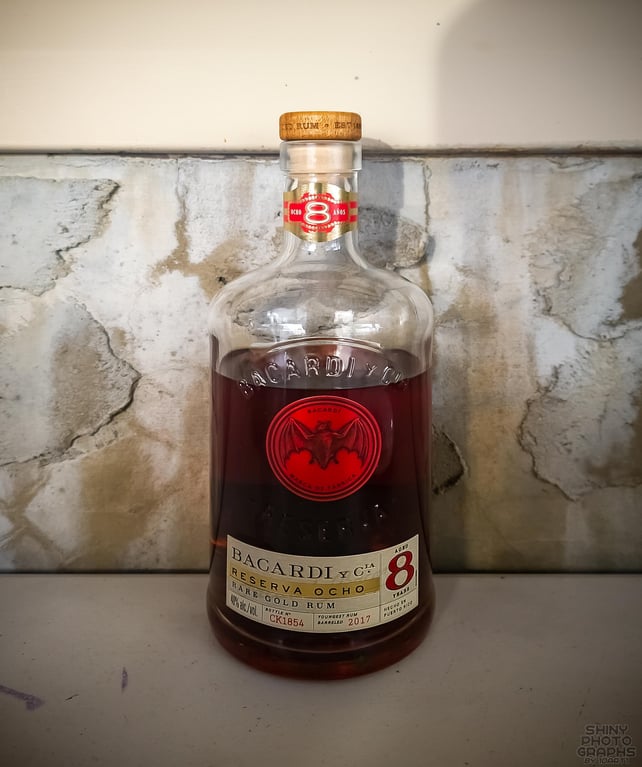
Bacardí Reserva Ocho

#145 Bacardí Reserva Ocho

5

Before I really got into rum, I just vaguely knew that I preferred rum to other spirits. I liked Bacardi Superior over vodka, whiskey, or tequila, no matter how good or high quality they were. At some point, my uncle bought Bacardi 8, and I remember trying it and thinking "huh... Bacardi can actually make something pretty good". It didn't blow me away, but I was impressed that Bacardi could make such a nice product. This past Memorial Day, I wanted to bring a rum that can atone for the fact that I brought Bumbu to that same BBQ the year before. I wanted to bring something good, but also something that wasn't too complex or crazy that might scare people away from rum. So, Bacardi 8 seemed like the obvious pick. > Note: The age statement is 8 years, but it notes that the blend can contain rum that is up to 16 years old. Review I'll be comparing this rum to Ron Santiago de Cuba 8 Year and Angostura 7 Year, two other similar light column-still rums aged for a similar amount of time. Smell I get very little on the nose. No wood notes, no alcohol burn, just very clean. Maybe the tiniest hint of orange peel. Ron Santiago 8 is much more floral and green appley, and angostura 7 is more woody with bolder vanilla. Taste It's just light across the board. I get a bit of vanilla, a bit of coconut, a hint of orange peel, and it doesn't even burn much just drinking it straight. It's also pretty sweet. Angostura 7 is harsher on the alcohol, but it's bold with woody and oak flavor, with a light anise and fennel finish. Ron Santiago is bold, floral, flavorful, and incredible. It's my favorite Cuban-style rum. In a daiquiri it's fine. Light, crisp, and clean. Lime and sweetness comes through, but the rum is just absent. Even Brugal Añejo makes a better daiquiri. Verdict {rating}/10 There's nothing really wrong with Bacardi 8, other than it being sweeter than I prefer. It's not offensive, it's just a pretty boring sipper and a pretty boring mixer, and is middle of the road in every way. It really doesn't taste that much better or different from Bacardi Gold. I would much rather have a Cuban rum, and even Angostura 7 is slightly better. 5/10 As for the Memorial Day BBQ, nobody tried it. :(

Casa BACARDÍ, Puerto Rico
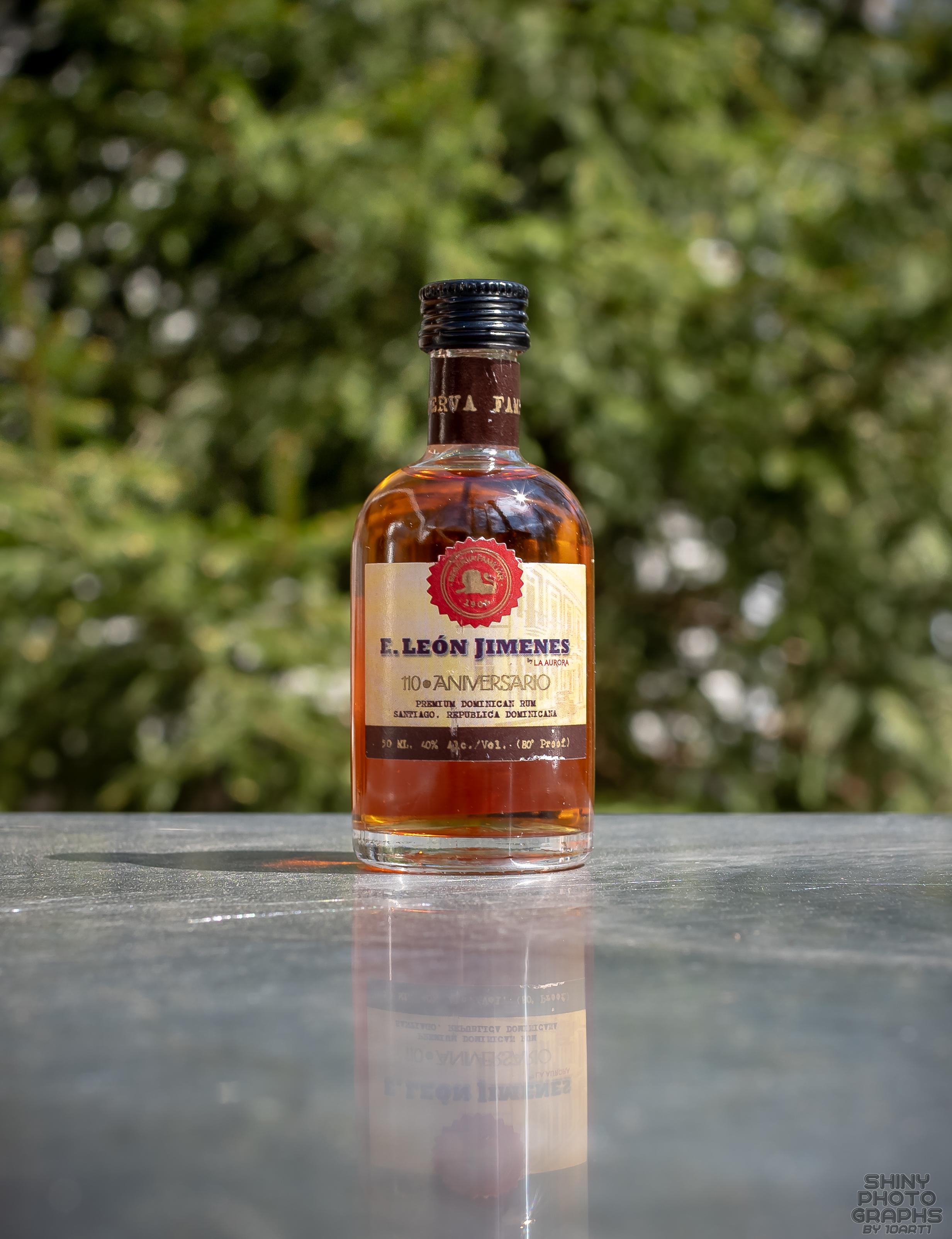
E. León Jimenes 110 Aniversario

#144 E. León Jimenes 110 Aniversario

5.75

If you remember my reviews of the Puntacana Club rums, you'll remember my rant about what a scam Taino Gifts is in Punta Cana. Another one of the reasons is that they offered me some free samples, and I said that they're too sweet for me, and so they tried to sell me E. León Jimenes 110 for $240, insisting that it's completely unsweetened. They did not let me try it, of course, but I did buy a sample bottle at my hotel for $10. Yes, buying 15 sample bottles would cost half as much as the bottle they were trying to sell me. This rum was basically entirely off my radar, since it's not one of the "3 B's" of Dominican rum (Brugal, Barceló, Bermudez), but my sensibilities were so offended by that experience that I bought the sample bottle to try at home. A little history about this rum: it debuted in 2013, to celebrate La Aurora cigar factory's 110th anniversary. This rum is contracted by a cigar company that wants to make the perfect rum to pair with a cigar. > Note: The wash was fermented for 18-24 hours and distilled on a 5-column still Review Smell Very strong oak and vanilla initally, with that characteristic Dominican floral scent. It smells a lot like the longer aged Brugal rums. Taste Very nice bold, classic Dominican flavor. Sweet, floral, sour, woody, vanilla, and it's pretty tannic. It has the same woody and sour note as Havana Club 7, though it is much less floral and flavorful. It also comes across as quite sweet, and despite its tannins, it doesnt come off as very long aged. But that's actually okay. It has a little bit of the floral notes you get from the younger Brugal and Barceló rums along with a good hit of vanilla and oak. It's like a more floral Barceló Imperial or a more woody Brugal Añejo. They must have used a heavier cut off the still for this because it's surprisingly flavorful for what it is. Verdict {rating}/10 It lands close to Cubaney XO (another Cuban-style Dominican rum) because it's actually flavorful, noticeably aged, sweet but not overly sweet, and yet not as flavorful as cuban rums. It's a bit harsher than Cubaney XO, but I can mostly overlook that. It's not my sipper of choice, but it's actually one of the nicer Dominican rums that I've had. In general, though, I think Dominican rums taste like neutered Cuban rums, but this rum comes pretty close to some of the worse Cuban rums I've had. 5.75/10

A.F.D., San Pedro de Macoris, Dominican Republic
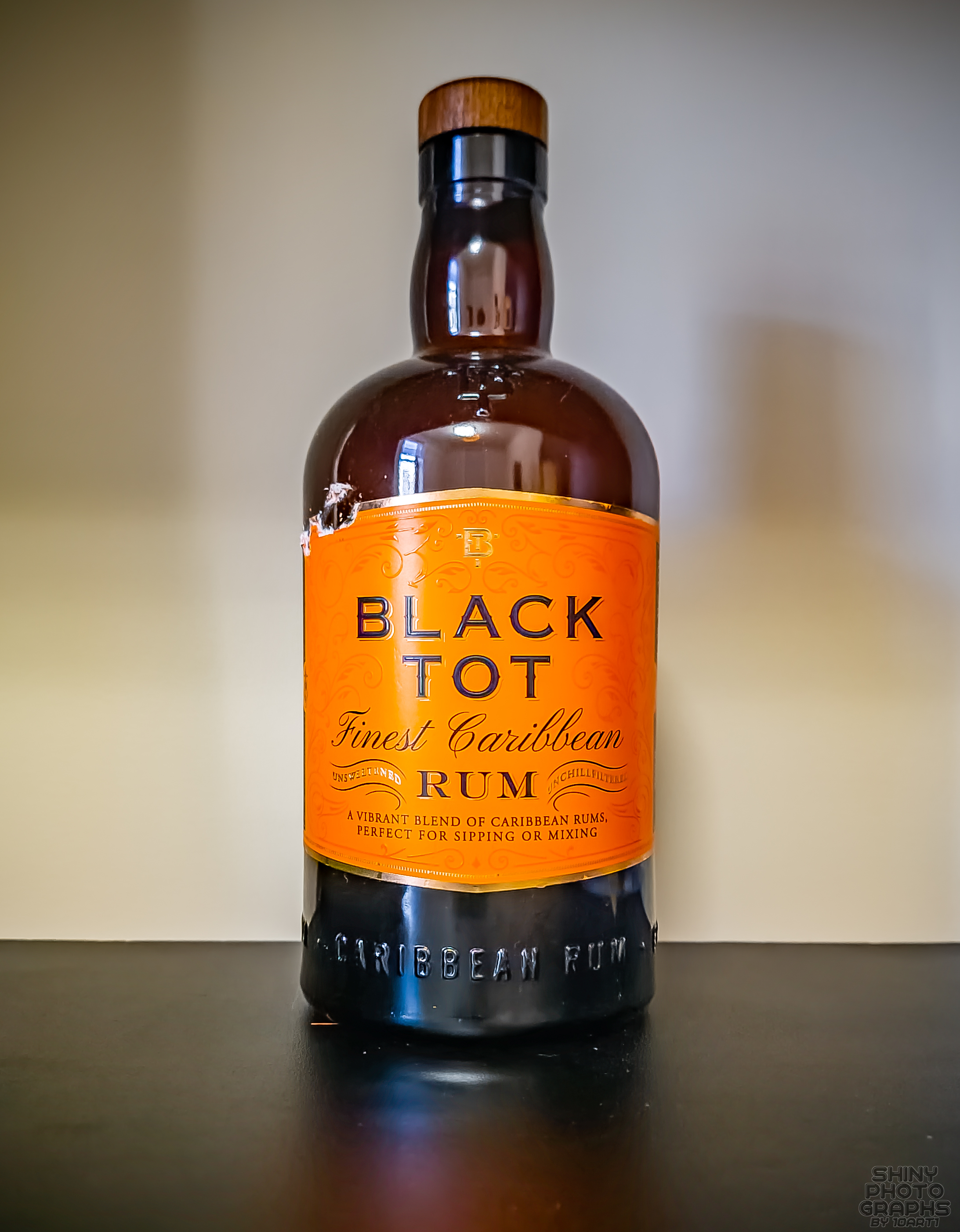
Black Tot Finest Caribbean Rum

#143 Black Tot Finest Caribbean Rum

7

Rum has long been tied to the high seas. In fact, moreso with the British Navy, which issued its sailors a daily rum ration, than to pirates, despite the popular association. That tradition ended in 1970, and the remaining stocks were bottled by Black Tot as the "Last Consignment". However, these bottles are very rare and expensive, so Black Tot also began sourcing rum to blend into something that they claim closely resembles the navy rum of old. According to bitters and bottles, the blend consists of: 40%: Guyana, aged 3-5 years, pot and column blend 20%: Guyana, unaged, pot and column blend 35%: Barbados, aged 5 years, pot and column blend 5%: Jamaica, aged 3 years, pot still only I see this exact blend cited a lot, and the bottle featuring a black label, though my bottle, despite having the exact same name, has an orange label and lists a Trinidad component. That's pretty historically fitting, since the navy's rum recipe changed many times depending on what is available. Black Tot actually gave me their new recipe, which is what is in the bottle with the orange label: 40%: Barbados, aged 5 years, pot and column blend, molasses 20%: Guyana, 0-5 years, pot and column blend, molasses 35%: Trinidad, aged 2-4 years, column still only, molasses 5%: Jamaica, aged 3 years, pot still only, molasses Review Since this a Guyana-heavy navy-style rum, I will be comparing it to Hamilton 86 and Pusser's (blue label). It's also noticeably more light than the other two. It's golden while the other two are a deep brown. Smell Black Tot is fairly light on the nose. I get oak, a touch of alcohol harshness, and maybe a faint hint of what I think is brine? Hamilton 86 is also light on the nose, but I mostly get molasses. Pusser's has the strongest aroma of the three, and I get a lot of prunes, molasses, and raisins. Taste With Black Tot, I definitely get a lot of demerara character. Earthy, charred oak, a light funk, and good body. There's a slight burn as you'd expect from a 46%. Pusser's comes very strong with charred oak and raisins, and while flavorful, it's maybe a bit less rounded. Hamilton 86 has a lot more of a jamaican black rum vibe, like Myers's, and much less of what I identify as demerara flavor. All 3 make great daiquiris, though all three are very different. Pusser's comes strong with the sweet, molasses, caramel, raisin notes. Hamilton makes more of a funky dark rum daiquiri. Black Tot is the most like a traditional daiquiri out of the three: lighter, a bit of Jamaica, a bit of Demerara, and I taste a bit of Barbados coming through as well. Verdict {rating}/10 Despite their differences, I do think that they are all quite good and quite similar, but Black Tot has just a bit more richness, a bit more kick, that edges it ahead. So, I went ahead and pulled out Pusser's Gunpowder Proof, which is the same blend as the blue label, but at 54.5%, which is way more than Black Tot, hence why I didn't include it in the initial tests. But it has that extra bit of richness and kick that I was feeling in Black Tot. I rated it 7/10 before, and as such, I also give Black Tot Finest Caribbean Rum a 7/10.

various
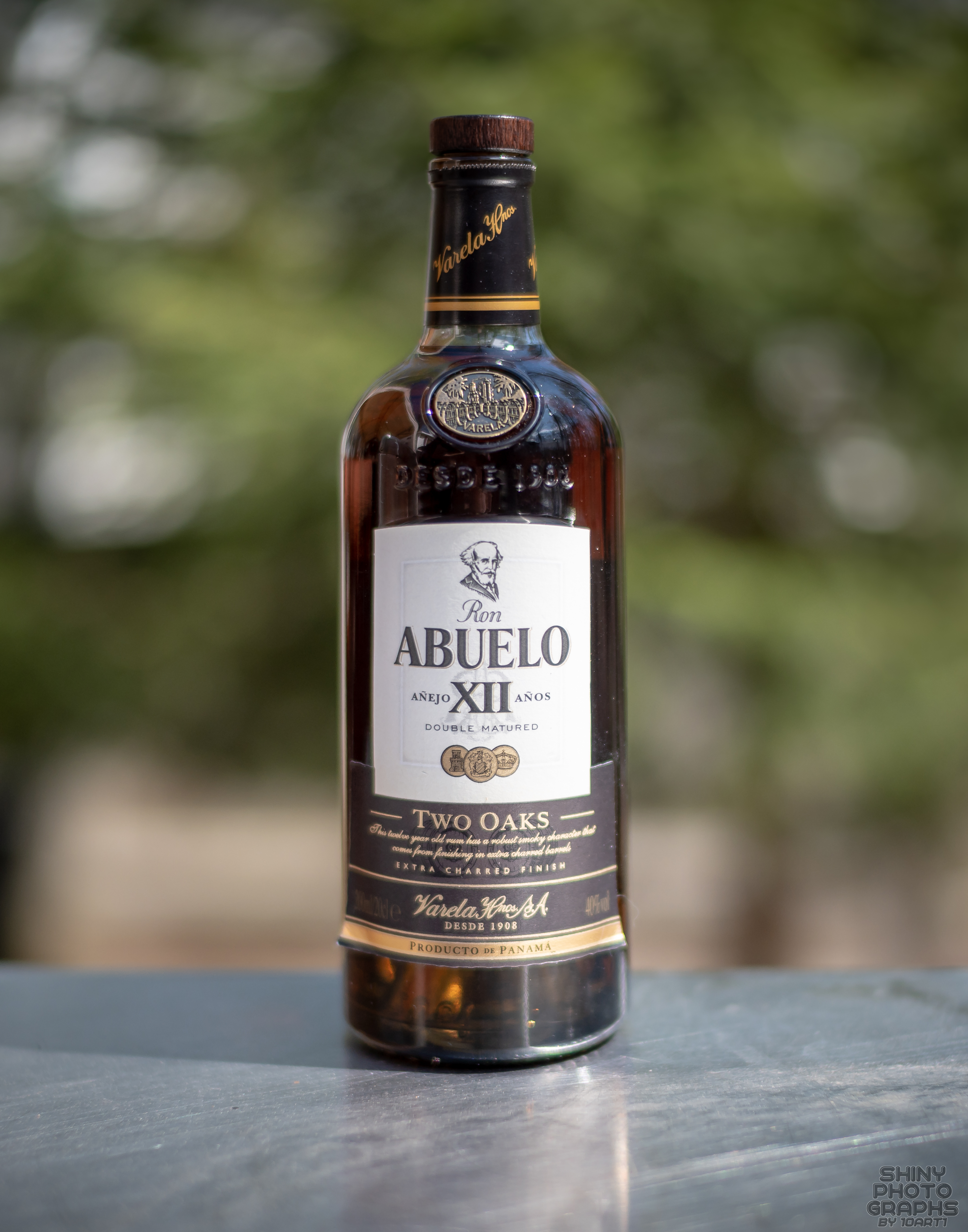
Ron Abuelo Añejo XII Años Two Oaks

#142 Ron Abuelo Añejo XII Años Two Oaks

6.5

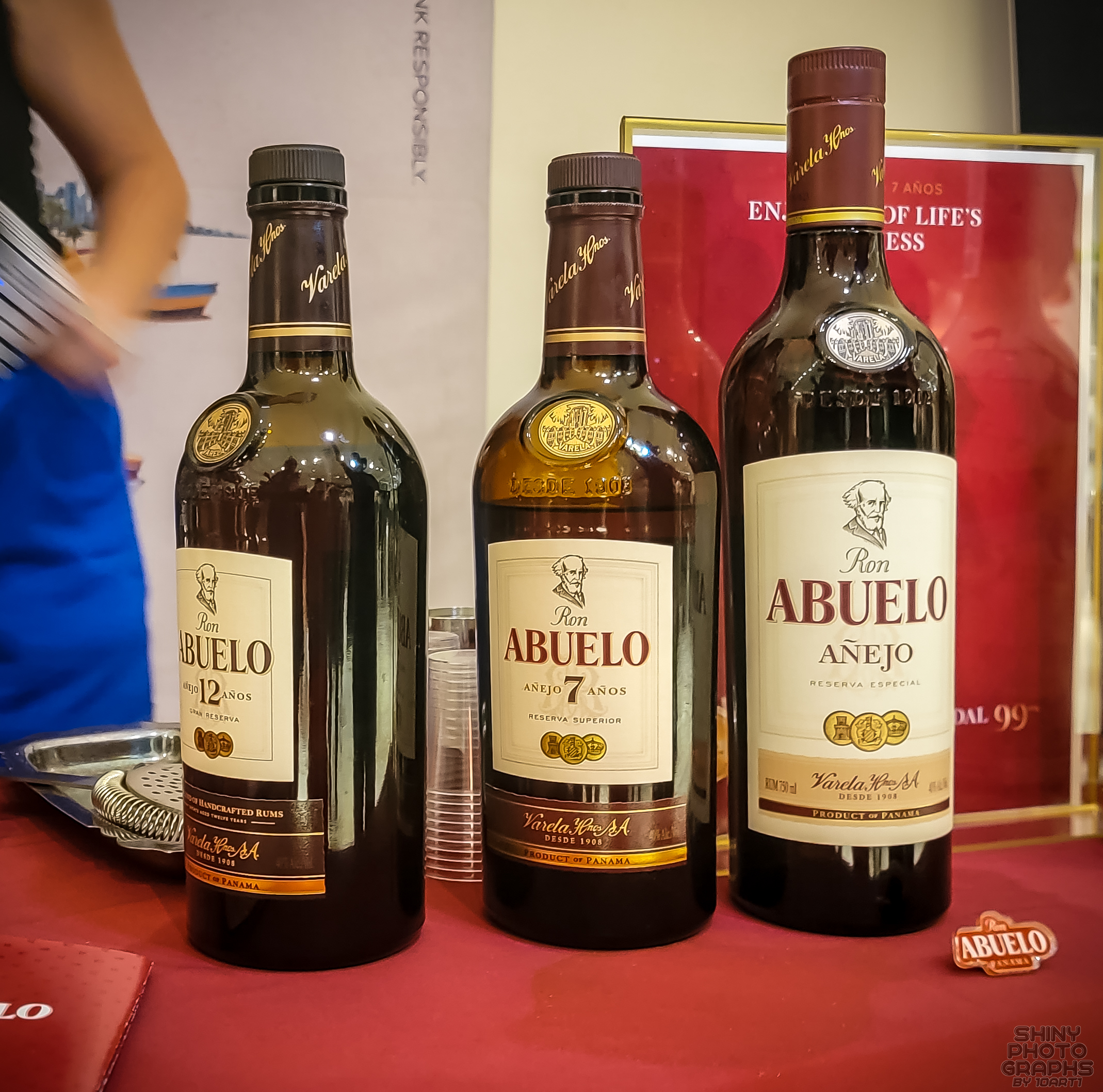
I've wondered for a while what actually separates Ron Abuelo 12 from Ron Abuelo XII Two Oaks, and whether "Añejo XII Años" even qualifies as a real age statement. Ron Abuelo themselves claim that XII is "double matured" for 12 years. Distiller.com(https://distiller.com/spirits/ron-abuelo-xii-two-oaks) goes into far more specifics, and says that actually XII does not carry an age statement. It's actually a blend of rums ranging from 8 to 40+ years old, with the average age being just over 11 years, finished for an additional 9 months in extra-charred first-fill casks. They also get very specific about the charring process and give a date, which also lends a lot of credibility. For context, Panama uses a weighted-age system, so, for example, blending equal parts 6 year and 10 year rum would allow you to call it an 8 year old rum in Panama. By that math, if the average age of the blend is at least 11.25 years, after an additional 9 month finish it can legally be called a 12 year old rum. I am also aware that a Ron Abuelo XII Three Angels exists, but I have not yet had the chance to try it. Review Smell Tasted alongside the 12 and Zacapa 23, XII is the woodiest of the three by far. Zacapa has a faint wine note that XII doesn't really have, while the 12 is a touch more citrusy and floral than both. Taste Compared to the 12, XII has a stronger note of vanilla and oak, a bit more sour (I don't know how to describe this sourness but you feel it in Havana Club 7 pretty distinctly) and it's significantly more dry and tannic. Compared to Zacapa, it's less sweet and more sour, and in general, the depth and richness is pretty similar, but XII just goes all in on bold intense oak flavor, it's dry and tannic to match, while Zacapa is more simple and sweet and cuts the oak flavor with sherry notes. Verdict {rating}/10 Overall, Ron Abuelo makes some of my favorite rums in the Central American category, though it's significantly sweeter than some competitors, like Flor de Caña. XII is bolder in oak, tannin, and sourness to the point where the sweetness stops being a flaw and becomes necessary for balance. It needs it in order to balance the very bold barrel taste of this rum. I like it despite its rough edges, and I'd put it tied with Zacapa 23 in score at 6.5/10, because both are deep, rich, easy to sip rums (or, possibly, full of additives like glycerin, though for Ron Abuelo, that remains unconfirmed). Neither is really a must-have for me. Zacapa 23 is a bit too sweet, and Ron Abuelo XII Two Oaks is a bit too sour.

Varela Hermanos, Pesé, Panama
Ron Abuelo Añejo 12 Años

#141 Ron Abuelo Añejo 12 Años

6

I've wondered for a while what actually separates Ron Abuelo 12 from Ron Abuelo XII Two Oaks, and whether "Añejo XII Años" even qualifies as a real age statement. You can see my review for that at the bottom. Review Smell Tasting alongside both Ron Abuelo 7 Year and XII Two Oaks, it really is like a step ladder in terms of aroma. The 7 year does have notes of oak and vanilla, but also a slight citrusy, floral note. The 12 year is richer than the 7, with bolder oak and vanilla but less floral citrus notes. By XII, it is very oaky, very vanilla, and the citrus floral aroma is gone entirely. Taste Next to the 7, the 12 is bolder in vanilla, a little more sour, and has less young character. The 7 would still work fine in a mojito, while 12 is richer and less bright and definitely intended for sipping. XII is even more bold. It is a bit more sour and it's significantly more dry and tannic than the 12. Verdict {rating}/10 Overall, Ron Abuelo makes some of my favorite rums in the Central American category, though it's significantly sweeter than some competitors, like Flor de Caña. I would say that the 12 year is a bit worse as a mixer than the 7, but improved as a sipping rum from the greater oak and vanilla flavor, though all are quite sweet. I would put them about equal in score for that reason, just suited for different purposes. 6/10

Varela Hermanos, Pesé, Panama
Samaroli Nicaragua Rum 2004-2023 Cask No. 15

#140 Samaroli Nicaragua Rum 2004-2023 Cask No. 15

8

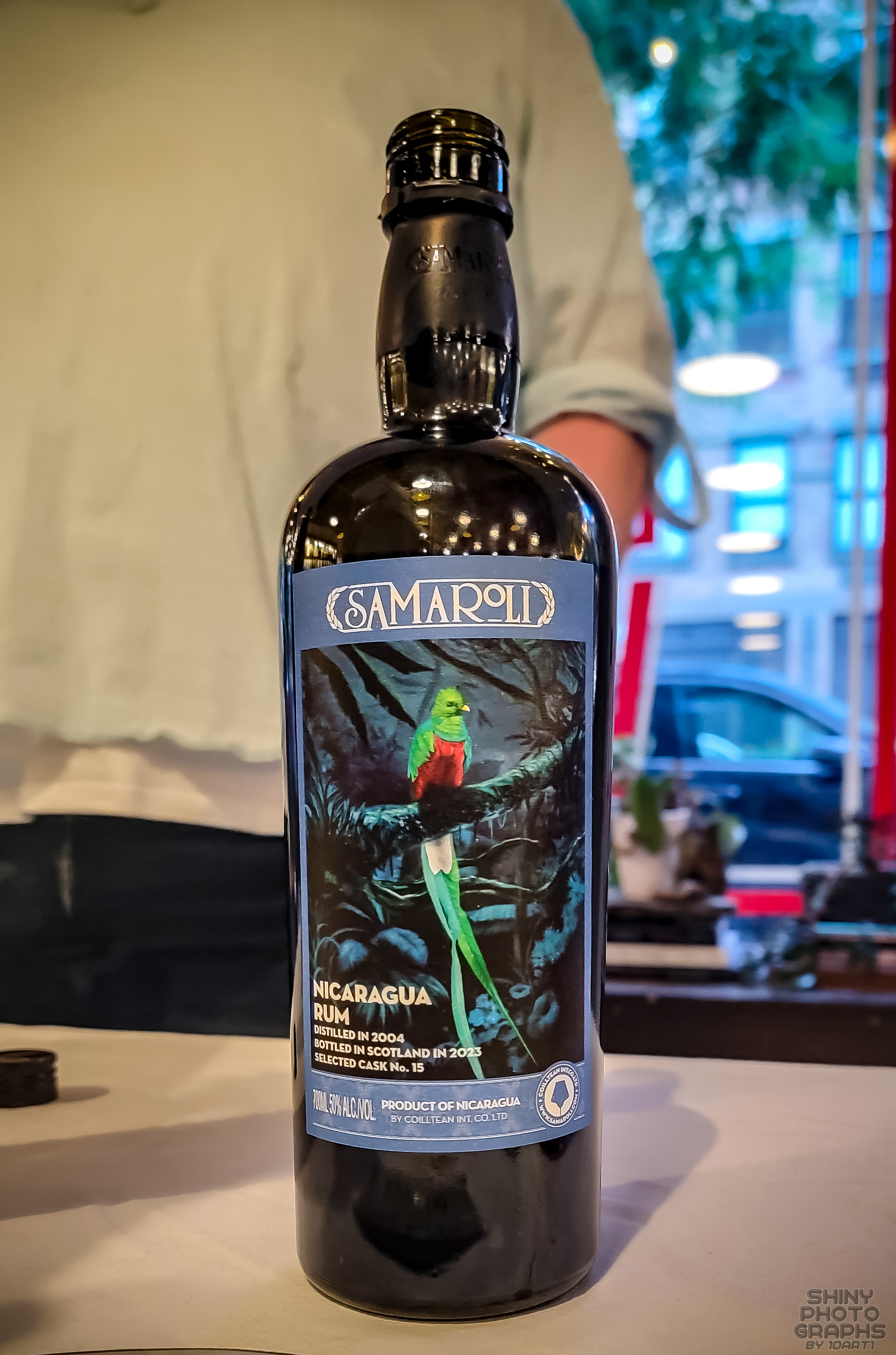
I recently reviewed two bottles from Flor de Caña, and this one comes from the same distillery (probably) as an independent bottling. It is an 18-year-old release, and it costs about five times as much as Flor de Caña 18. Does that extra money get you something five times better? > Note: ExcellenceRhum(https://www.excellencerhum.com/en/nicaragua/8013-rum-samaroli-2004-nicaragua-single-cask.html) lists the origin as CLNSA, Chichigalpa, Nicaragua, while The Old Barrelhouse(https://theoldbarrelhouse.com.au/shop/scottish-whisky/samaroli/samaroli-2023-nicaragua-2004-vintage-18-year-old-single-cask-rum-700ml-50/) lists a "restricted (secret) distillery". Honestly, I trust ExcellenceRhum on this one unless there is more evidence of another secret distillery in Nicaragua. > Note: ExcellenceRhum and The Old Barrelhouse list 10 years tropical aging, and the rest in Scotland. Some sources list it as 19 years old, but it was distilled on December 31, 2004, so by September 27, 2023, it had not yet finished its 19th year. Review Smell The nose is dominated by oak. On the nose I get strong wood, vanilla, and a light floral note. Taste The palate is deep, rich, and very tannic. I get oak immediately, followed by vanilla and coconut. On the back, there are light fennel notes, and the finish is long with green apple and floral character, a bit like a Dominican rum. At first I compared it to Flor de Caña 18 Year, but it honestly tastes like Bacardi in comparison. It comes off as flat and flavorless compared to Samaroli's stronger presence. So, instead I reached for Ron Abuelo XII Two Oaks, and it was much better point of reference. Both rums share the same general profile of wood, tannin, vanilla, coconut, and a slight sourness. Of course, the Samaroli is higher ABV and delivers a bolder flavor in general. Verdict {rating}/10 I am very impressed by this rum. It feels technically excellent, and it reminds me of Foursquare ECS in that it is rich, balanced, and clearly well made. Still, I do think a low-ester column still rum has a ceiling for me, and that ceiling is probably around here. Within that style, though, this is about as good as it gets.

CLNSA, Chichigalpa, Nicaragua
Flor de Caña 18 Years Old

#139 Flor de Caña 18 Years Old

6.25

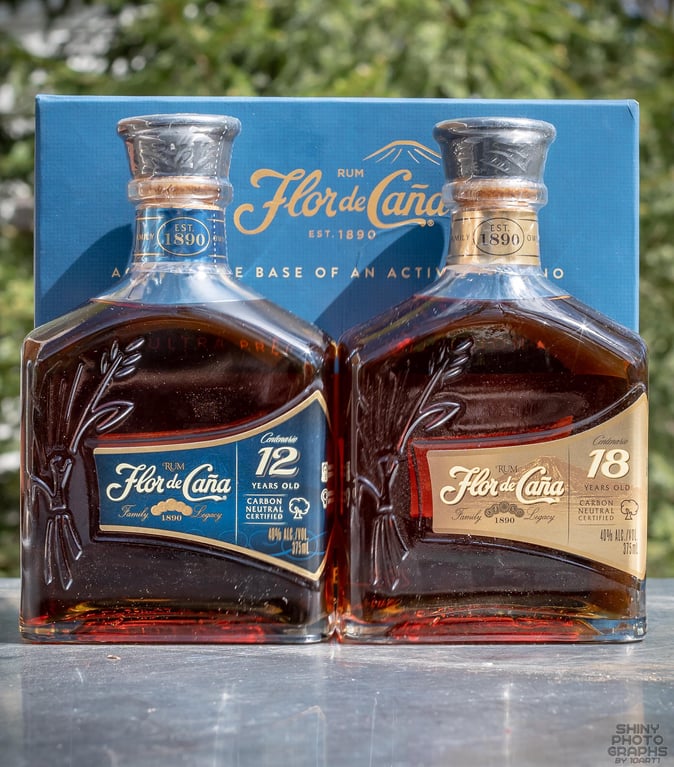
I've been looking forward to Flor de Caña rums for a while. It seems like the consensus has been that they are some of the best rums in their genre, but also, they come with a lot of baggage. I wrote more about it on their Wikipedia page. The original employees of Ingenio San Antonio. An older bottle of FdC 12, showing "slow aged" rather than an age statement. The company's history is pretty remarkable. Founded 140 years ago by an Italian entrepreneur, the company was taken over by the Sandinistas, only for them to hold elections and lose, with a relative of the Pellas family getting elected and returning everything. The Pellas family are now the only billionaires in the country and, ironically, have close ties to the socialist military dictator president Daniel Ortega, who confiscated their company decades before. Politics sure makes strange bedfellows. They faced a number of controversies, like the horrible working conditions that were suspected to be a cause of CDK, a disease that caused the death of half of all males in the town that the sugarcane fields are in (though, to be fair, was not exclusive to FdC), and the working conditions and the use of sick and underage workers drew heavy criticism towards Ingenio San Antonio, the fields that are owned by the Pellas family and supply FdC with molasses. Then there's the Pellas family (allegedly) using ties to the government to shoot protesters and unionizers, and, worst of all, removing age statements from the bottles, leaving the big number that heavily implies an age statement but doesn't actually mean anything. The 12, 18, and 25 you see might as well be a 23. They even got sued for it. But the good news is that things are improving. FdC now claims to be completely sugar-free, it has slowly re-introduced actual age statements, the conditions in the sugarcane fields have reportedly been taken seriously with real measures to address them, and they haven't (allegedly) shot protesters in almost a decade. Things are looking up!! Review Smell Very bold oak, even more than the 12 year, but less vanilla and floral notes. I just get straight wood aromas. Taste Flor de Caña 18 tastes very similar to 12, but just slightly less floral and slightly more oaky and tannic. The oak taste is bolder, deeper, and the traces of floral notes were mostly aged out. I tried it with a few drops of simple syrup, and I don't think it improved it. It needs to stay its bold, dry, tannic self. I would definitely prefer the 12 in a rum fashioned, and the 18 just the way it is. Verdict {rating}/10 These are two great rums. In a lot of ways similar, and in some ways different. I would not say that the 18 year old is better or worse, and I rated the 12 year a 6.25/10, so give the same score to the 18. It's more tannic, more oaky, has a bolder flavor, but does not lend itself to mixing as much. It still feels like it's missing a little something, but adding sweetness didn't make it better, so I don't know. But if I had to sip one or the other and could not add syrup, I would choose the 18. 12 is a bit more versatile, and of course cheaper, and I enjoy that one more in a rum fashioned.

CLNSA, Chichigalpa, Nicaragua
Flor de Caña 12 Years Old

#138 Flor de Caña 12 Years Old

6.25

I've been looking forward to Flor de Caña rums for a while. It seems like the consensus has been that they are some of the best rums in their genre, but also, they come with a lot of baggage. I wrote more about it on their Wikipedia page. The original employees of Ingenio San Antonio. An older bottle of FdC 12, showing "slow aged" rather than an age statement. The company's history is pretty remarkable. Founded 140 years ago by an Italian entrepreneur, the company was taken over by the Sandinistas, only for them to hold elections and lose, with a relative of the Pellas family getting elected and returning everything. The Pellas family are now the only billionaires in the country and, ironically, have close ties to the socialist military dictator president Daniel Ortega, who confiscated their company decades before. Politics sure makes strange bedfellows. They faced a number of controversies, like the horrible working conditions that were suspected to be a cause of CDK, a disease that caused the death of half of all males in the town that the sugarcane fields are in (though, to be fair, was not exclusive to FdC), and the working conditions and the use of sick and underage workers drew heavy criticism towards Ingenio San Antonio, the fields that are owned by the Pellas family and supply FdC with molasses. Then there's the Pellas family (allegedly) using ties to the government to shoot protesters and unionizers, and, worst of all, removing age statements from the bottles, leaving the big number that heavily implies an age statement but doesn't actually mean anything. The 12, 18, and 25 you see might as well be a 23. They even got sued for it. But the good news is that things are improving. FdC now claims to be completely sugar-free, it has slowly re-introduced actual age statements, the conditions in the sugarcane fields have reportedly been taken seriously with real measures to address them, and they haven't (allegedly) shot protesters in almost a decade. Things are looking up!! Review Smell Bold oak and vanilla, and a touch floral. Taste Again, just bold oak and vanilla. The alcohol burn is light, and the finish is lightly floral. Even lighter than many premium Dominican rums. I added a few drops of simple syrup into my FdC 12 and I think it improved it. It really opened it up and I think it tastes pretty much like Bermudez Don Armando. I would definitely prefer the 12 year in a rum fashioned, and the 18 year just the way it is. Verdict {rating}/10 Flor de Caña 12 Years Old and Flor de Caña 18 Years Old are two great rums. In a lot of ways they are similar, and in some ways they are different. The 12 tasted so similar to Don Armando, that I am starting to suspect that I know where Bermudez imports their rum from. But it definiely livens up with a bit of sweetness, and I can totally see myself sipping it, though it might not be the first rum that I would reach for. It's nice with a bit of sugar and bitters. In the Spanish category, I agree that it's among the best that you can get in a typical liquor store. 6.25/10. It's more expensive than Don Armando, but I honestly thought that it was a steal for $22, and it's very hard to find in the US, so for $29, you're getting an almost identical product, just completely unsweetened, and you can get it literally anywhere in the US.

CLNSA, Chichigalpa, Nicaragua
Nicoya Añejo

#137 Nicoya Añejo

6

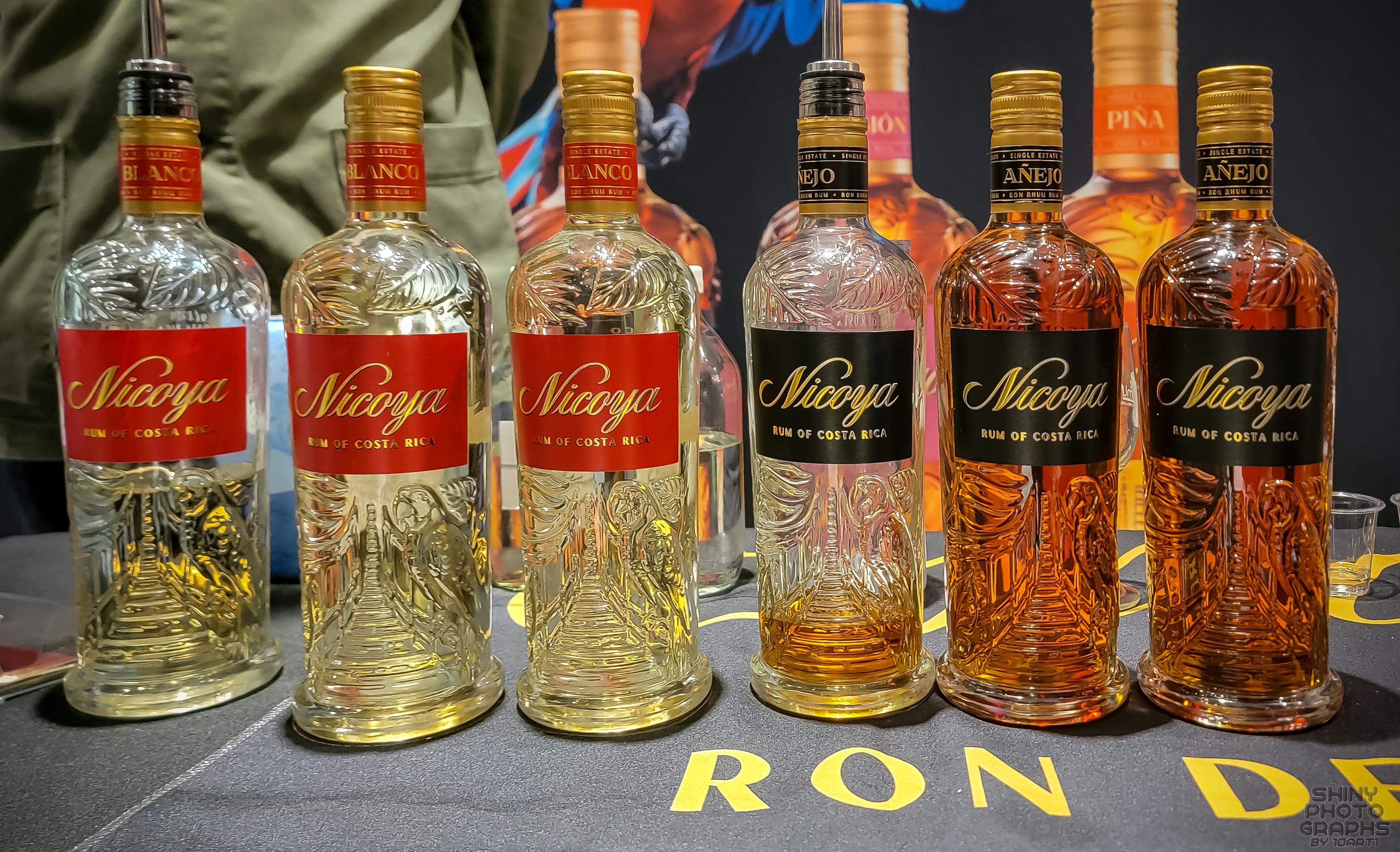
This past weekend I attended the NY Rum Fest for the first time, and it was a fantastic experience. Imagine a conference room lined with about 30 tables, each representing a different company, and some offering upwards of 20 different bottles for tasting. Obviously, I could not try everything; even pacing myself and only taking small sips, I feel like I made it through less than a third of the bottles on offer. I will definitely be coming back next year. Cane juice aguardiente I took plenty of notes, but I wanted to start by spotlighting one company in particular: Nicoya. Their table stood out because Pierre Bardinet pulled a Hampden Estate and actually brought Nicoya's individual unaged marques for us to taste. Nicoya currently produces three marques: aguardientes of cane juice, cane syrup (aka cane honey), and molasses. Instead of using the much more common continuous multi-column setup, each ferment is batch-distilled in copper pot stills and then re-distilled in a copper column. These components are ultimately blended to create both their Blanco and Añejo expressions. Pierre let me try all three marques. I won't rate them since they're not for individual sale, but I wanted to share my feelings about them. Cane juice: Immediately reminiscent of Haitian cane spirits like Clairin Sajous. Vegetal, peppery, fruity, and sharp. Cane syrup: This one was more complex. There was still some vegetal notes, but now it was more deep, robust, and smoky, like Clairin Le Rocher, or Caña Criolla from The Rums of Mexico, with an aftertaste of buttered popcorn. Cane molasses: Interestingly, on the nose and initial palate, this one was the most subdued. Just typical notes of column still rum, but it had a deep umami note to it that I couldn't quite put my finger on. After trying each individually, I asked to have all three mixed together. The result was like an orchestra, where the cane juice was the top note, cane syrup was the melody, and molasses was the bass. Then I asked for more molasses because you always need more bass. It was actually incredible, and had it not been near the end of rum fest with a few more tables to visit, I would have stayed and played around with the blending some more. It was so fun! What other producer lets you taste cane juice, cane syrup, and molasses rums all produced from the same place in the exact same way, side-by-side? Review For context, this is happening at a rum fest and rum is being poured and carried around all around me, so subtle aromatic notes can easily be lost. Smell Way lighter than the aguardiente blend that I just nosed. Compared to that, it doesn't really have much going on. Taste I did swirl water around in my mouth between trying the three marks and these samples, but still, it's not exactly a fresh start. Even so, this rum definitely came off as noticably more dialed back compared to the marks. It's pretty light, and it has notes of oak, vanilla, caramel, and molasses, and less grassy brightness that you get in the Blanco. It leans more like a typical "Spanish-style" gold rum, and it's also noticably sweet, but not terribly so. Verdict {rating}/10 This review partly exists because I wanted to share my experience at Nicoya's table, and also there are basically no reviews for this rum. I think that neither bottling is fantastic, but at $20, they are competitive with Appleton Signature for value, which I consider to be a benchmark of budget rum. I gave Appleton Signature a 6.5/10, which is what I gave the Blanco version, but the Añejo was a bit more subdued. Still pretty good for an aged $20 rum.

Destilería Artesanal Taboga, Guanacaste, Costa Rica